Menu

Drag the book to turn it
Homo Deus
- In stock, delivered in 2–3 working days
- Free delivery on orders above Rs 4,000
Online ordering is coming soon. Message us on Instagram to order now.
Ideas to take away from Homo Deus
Future of Humanity
Explore Harari's predictions and insights into the possible future of humanity, including advancements in technology, society, and culture.
Biotechnological and Artificial Intelligence Revolution
Understand the potential impact of biotechnological and artificial intelligence advancements on human life and civilization.
Social and Political Changes
Gain insights into the possible social and political changes that may occur as a result of technological progress and human evolution.
Philosophical Reflections
Engage in philosophical reflections on the nature of human existence, consciousness, and the challenges that may arise in the future.
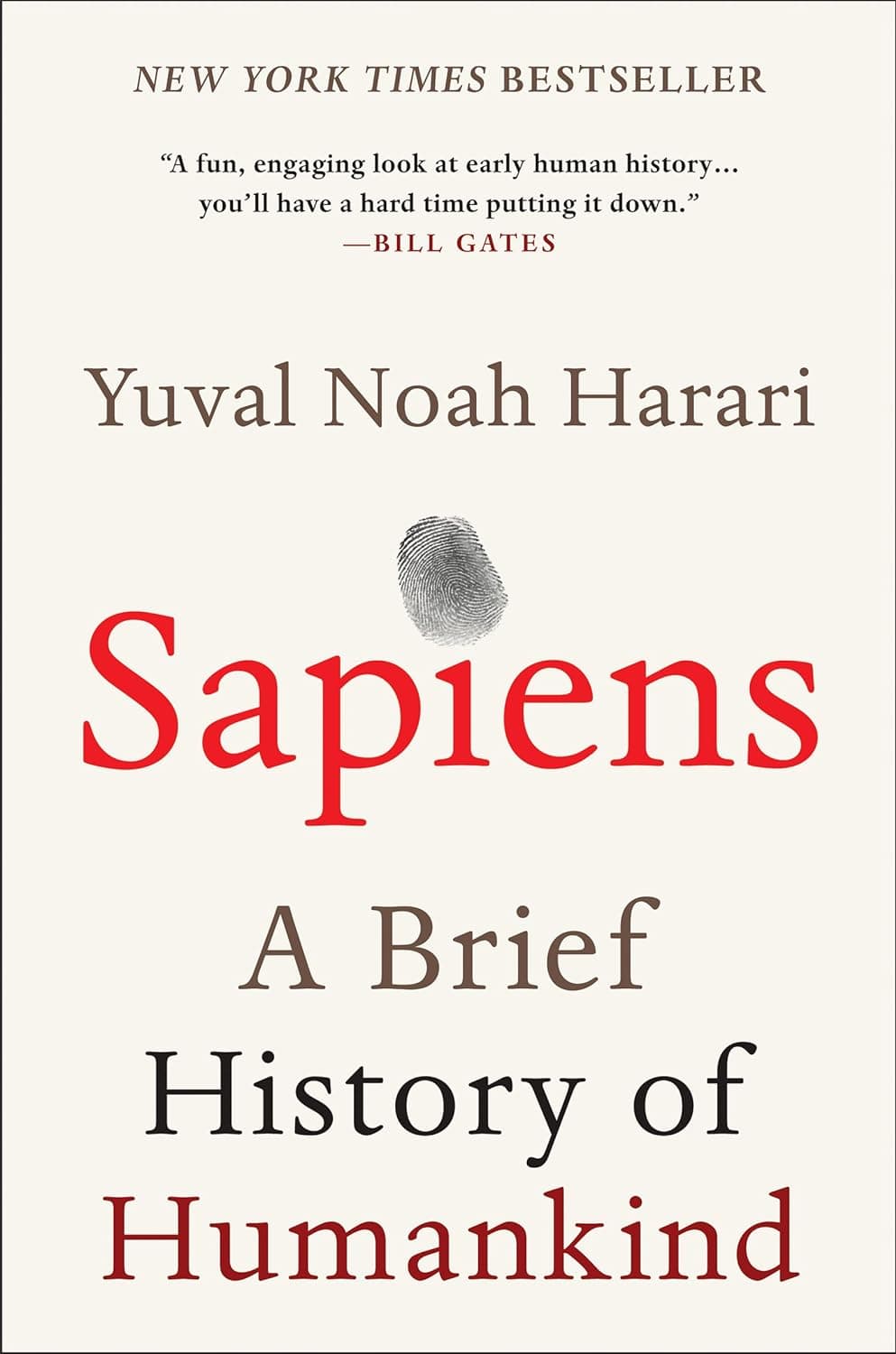
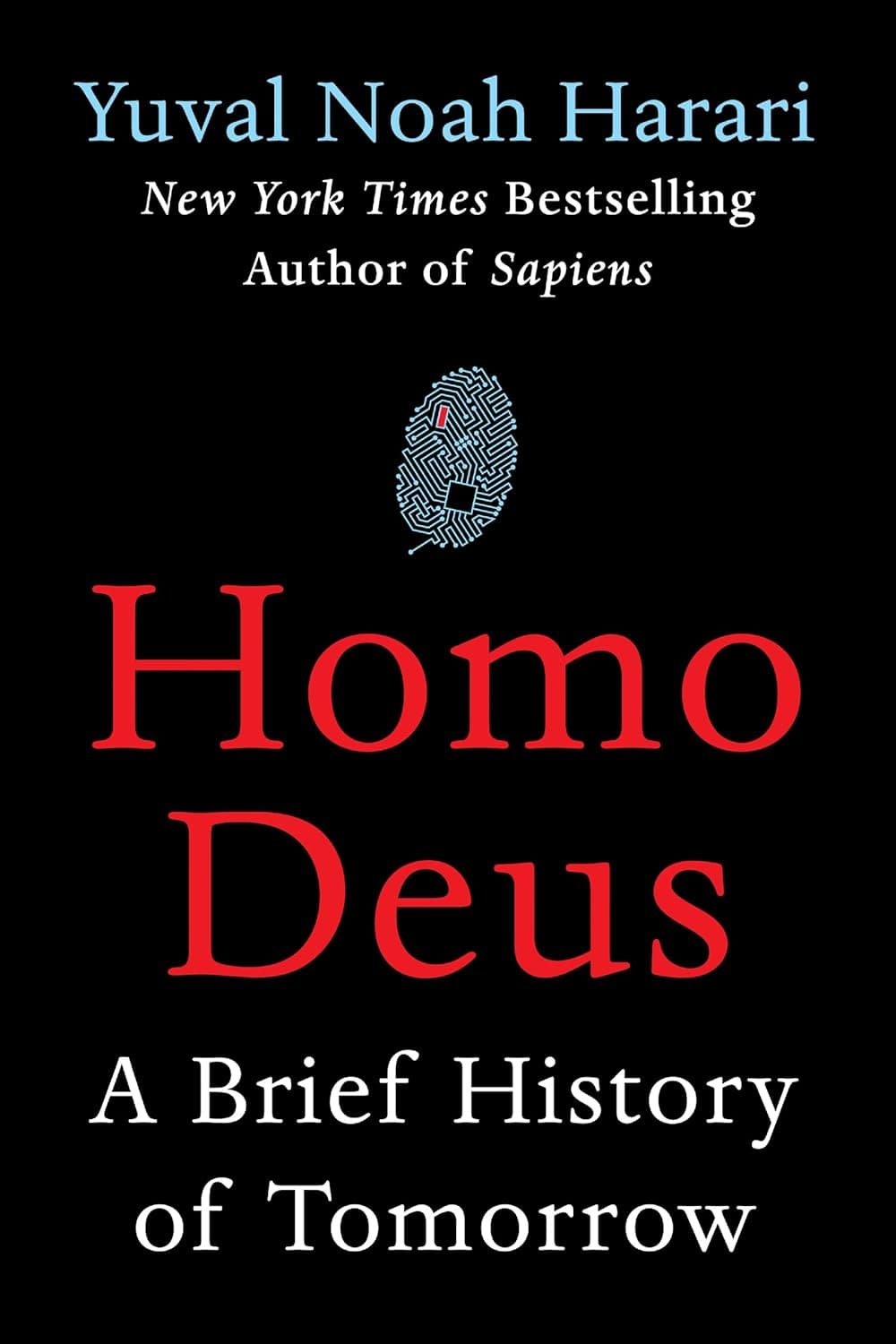
"Homo Deus: A Brief History of Tomorrow" by Yuval Noah Harari takes readers on a thought-provoking journey into the possible future of humanity. Building on the success of his previous book, "Sapiens," Harari explores the potential impact of biotechnological and artificial intelligence revolutions on human existence.
The book delves into topics such as the quest for immortality, the role of algorithms in decision-making, and the transformation of Homo sapiens into Homo Deus (God-like humans). Harari provides a compelling narrative that combines history, philosophy, and futurology, challenging readers to contemplate the direction in which humanity may be headed.
As a historian and a professor, Yuval Noah Harari offers a unique perspective on the interplay between historical forces and emerging technologies, inviting readers to consider the ethical and existential questions that may shape our collective future.